


Best Tourist Places in Punjab
Reading Time: 11 minutesPunjab, the Land of Five Rivers, is a warm land and even more energetic; there is a joie de vivre which cannot be resisted. It is a place in the North of India with an artistic culture, a courageous history, excellent food, and fantastic hospitality. Punjab’s vibrancy is felt from the very foundations, from the foot-tapping Bhangra to the revered Golden Temple of Amritsar.
ALSO SEE-What is Punjab Famous For-More than Butter Chicken
Punjab is known to have a ladder of gallant soldiers, industrious farmers, and hospitable hosts, with the past being thrown into the future. It is the place of spirituality and celebration, the place where all meals, songs, and dances are the manifestations of happiness. Now we are going to discuss why Punjab is indeed one in the world.
Table of Contents
Best Tourist Places in Punjab
1. Amritsar
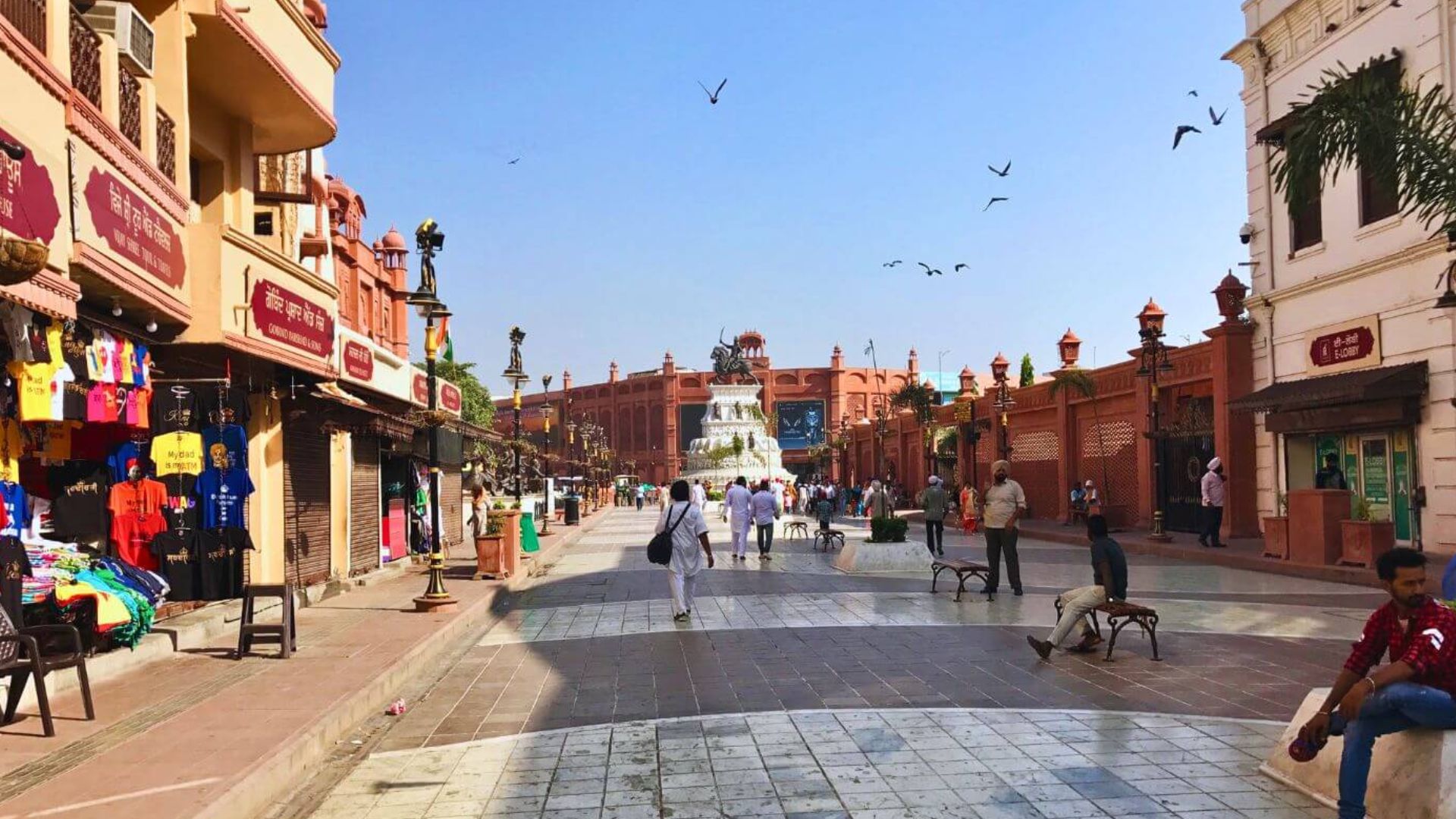
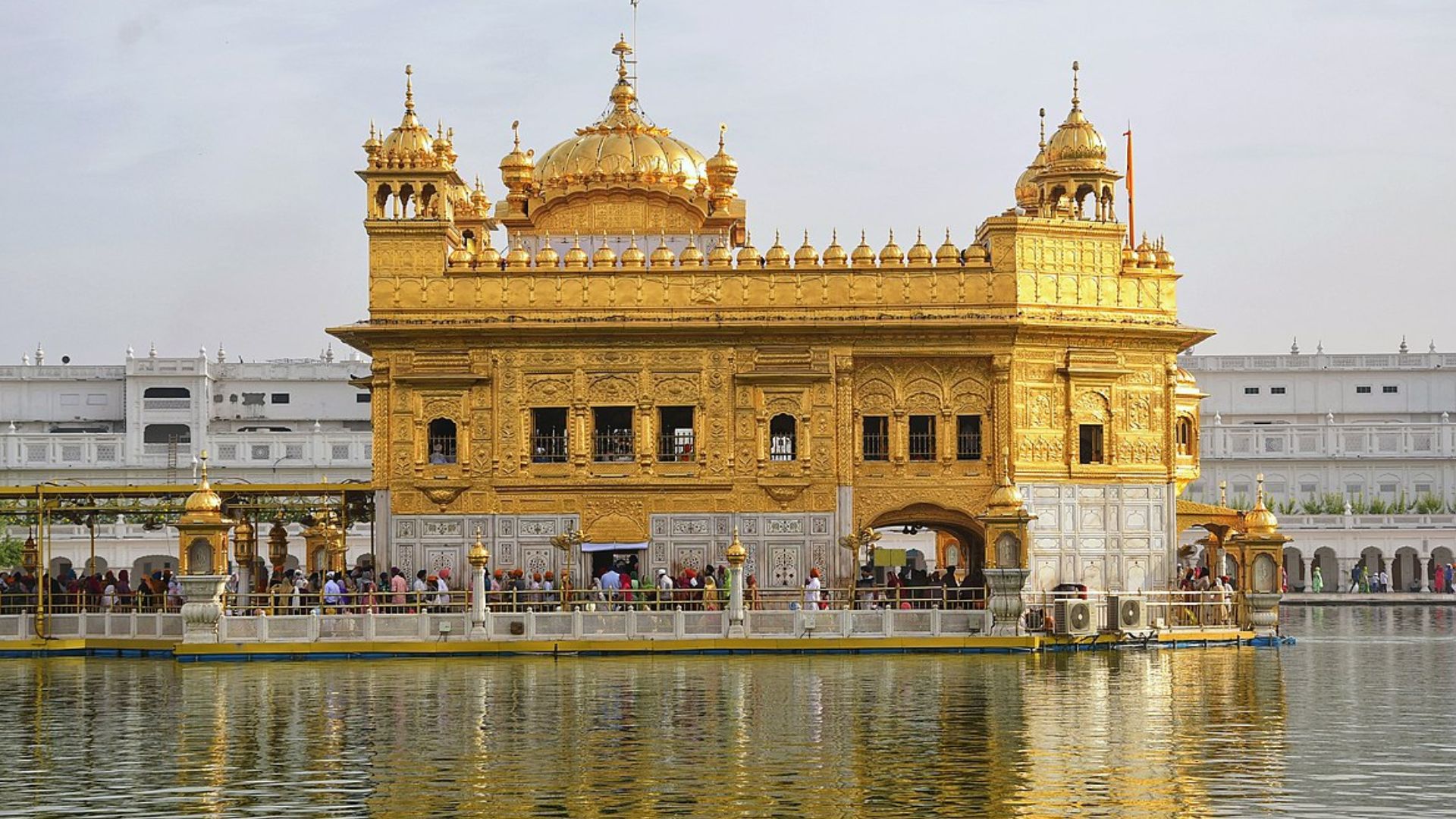
Amritsar, the spiritual and cultural centre of Punjab, is a place that holds the Golden Temple, which in itself is a place of awe and is gleaming in gold. The tourists will get an opportunity to see the quiet memorial of Jallianwala Bagh, which is a monument to the struggle of the Indians for freedom, and witness the spectacular Wagah Border ceremony. Amritsari Kulcha and Lassi are among the most desired street foods in Amritsar that will certainly make you get a taste of Punjabi hospitality.
2. Patiala
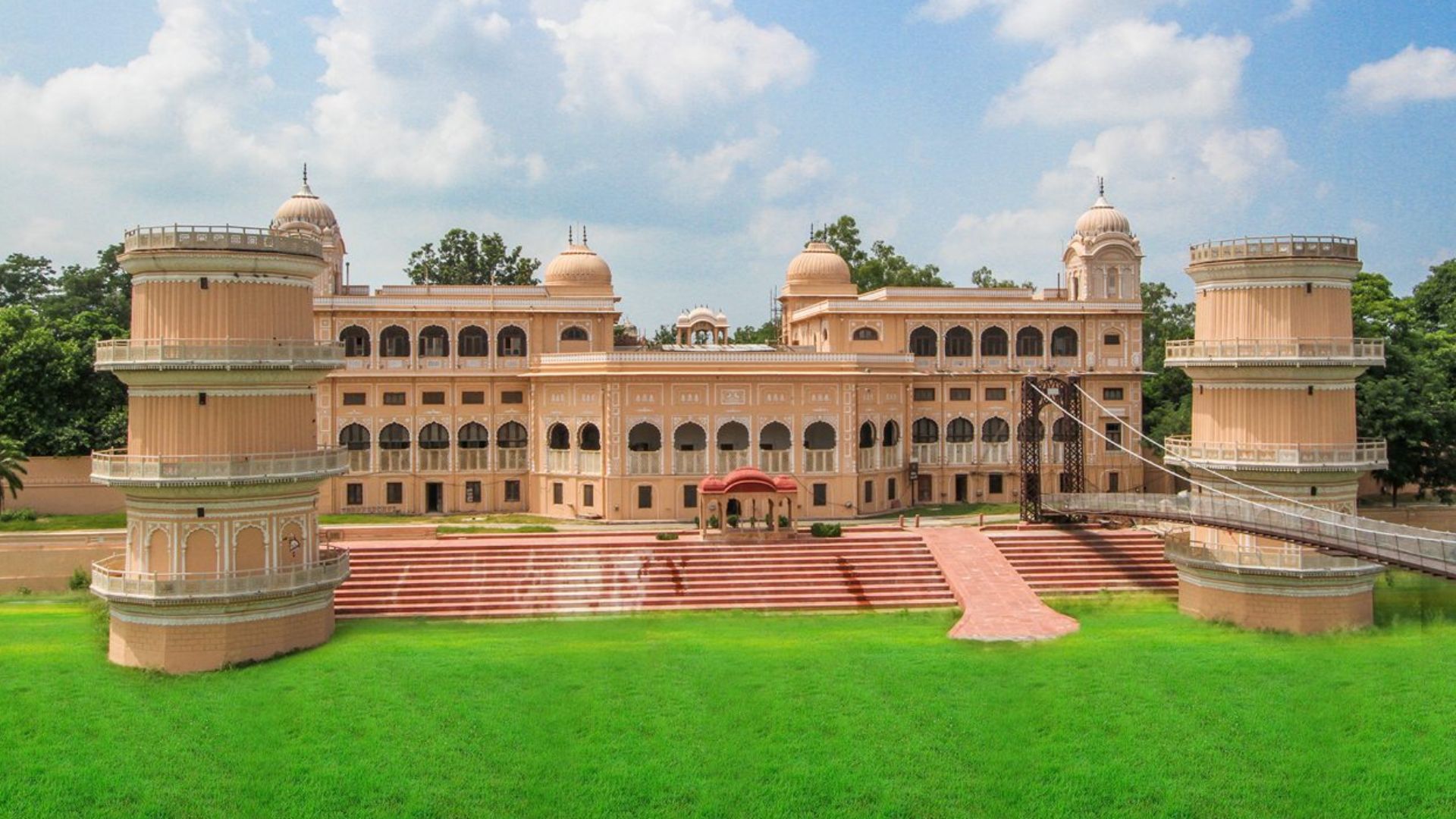
Some of the most beautiful palaces are Patiala Qila Mubarak and Sheesh Mahal, which have been the pride of Patiala for centuries. The city has the reputation of lavish palaces, fertile gardens, and bustling bazaars, which still perpetuate the glory of the princely heritage of Punjab. At Patiala, popular Patiala Peg and mouthwatering traditional recipes are also made, such as Sarson da Saag.
ALSO SEE- Top 10 Best Places To Visit In North India
3. Kapurthala
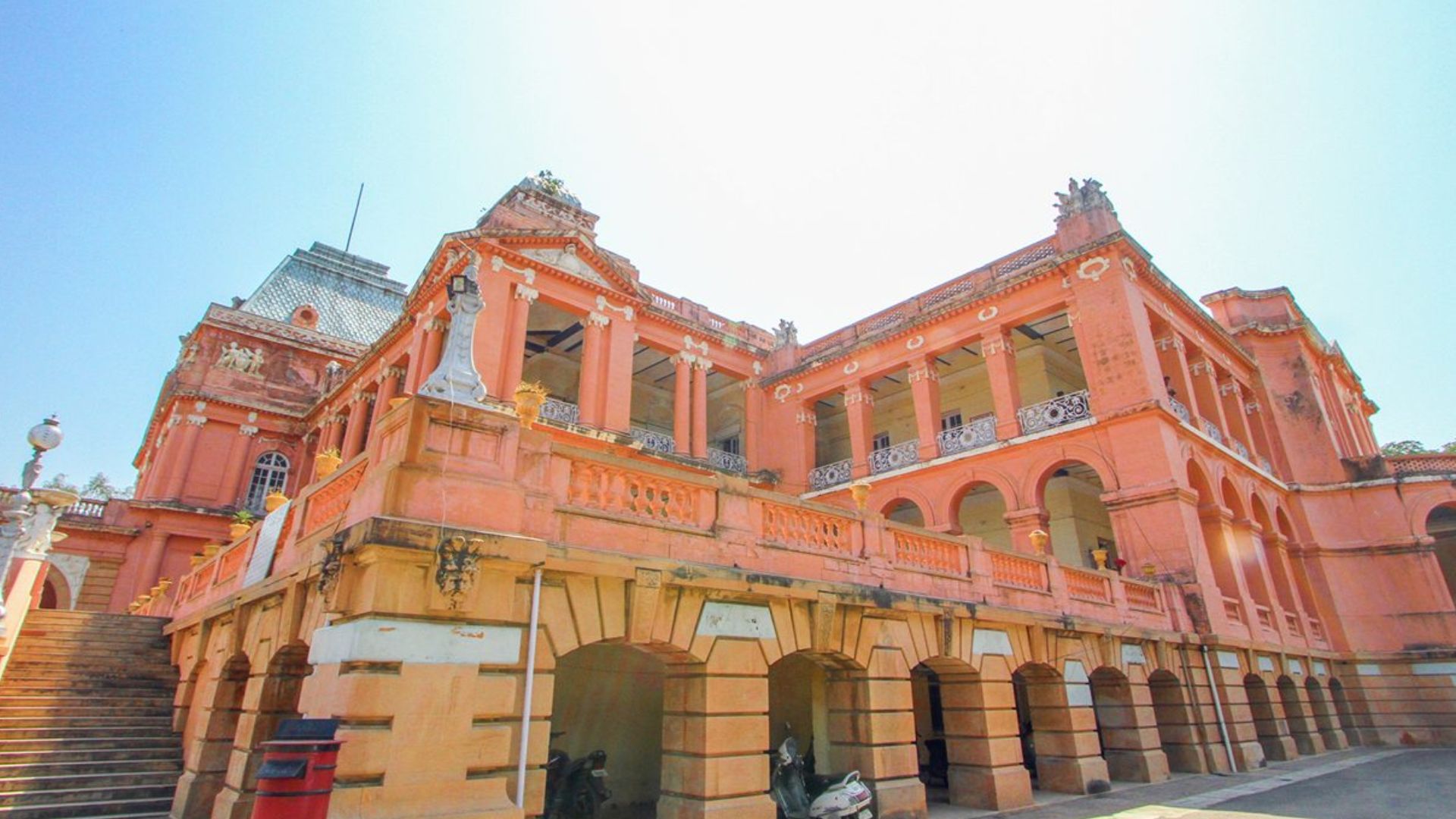
Kapurthala has also been designated as the Paris of Punjab due to its buildings being in the European architectural style, e.g., the Jagatjit Palace and the Moorish Mosque. Relaxing in urban centres, serene gardens (Shalimar Gardens), and the old structures (Elysee Palace). This blend of the cultural and a touch of the nonchalant is unconventional way by Kapurthala.
4. Jalandhar
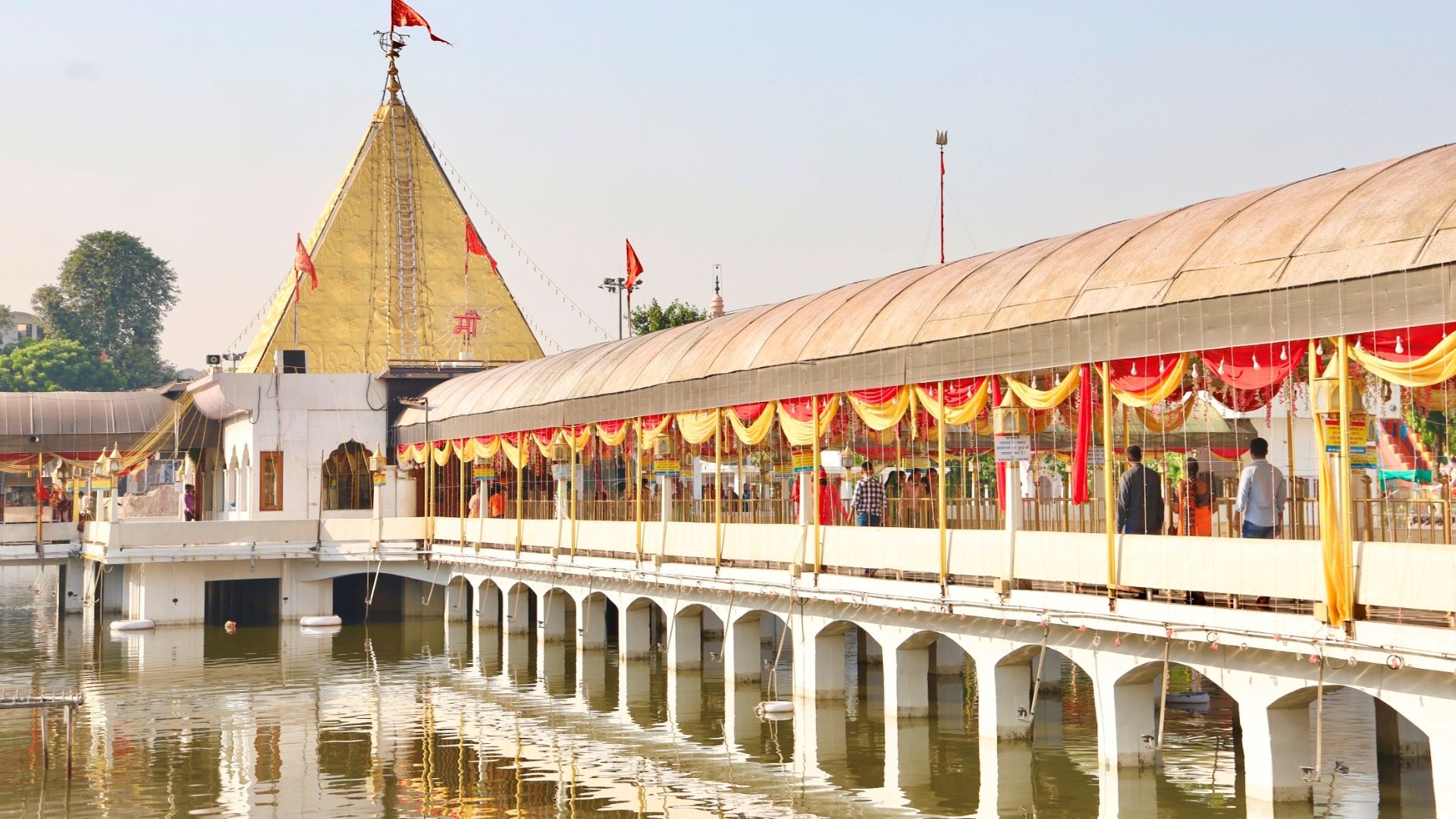
Jalandhar is an ancient city that has cultural as well as religious roots. Tourist attraction sites that are worth visiting are the Devi Talab Mandir and the Pushpa Gujral Science City, which would give a sort of a realistic combination of both history and education. One can also visit the markets, temples, and the original cultural festivals of the city, making it a very colourful place for the tourist who has a desire to get Punjab in its purest form.
5. Bathinda
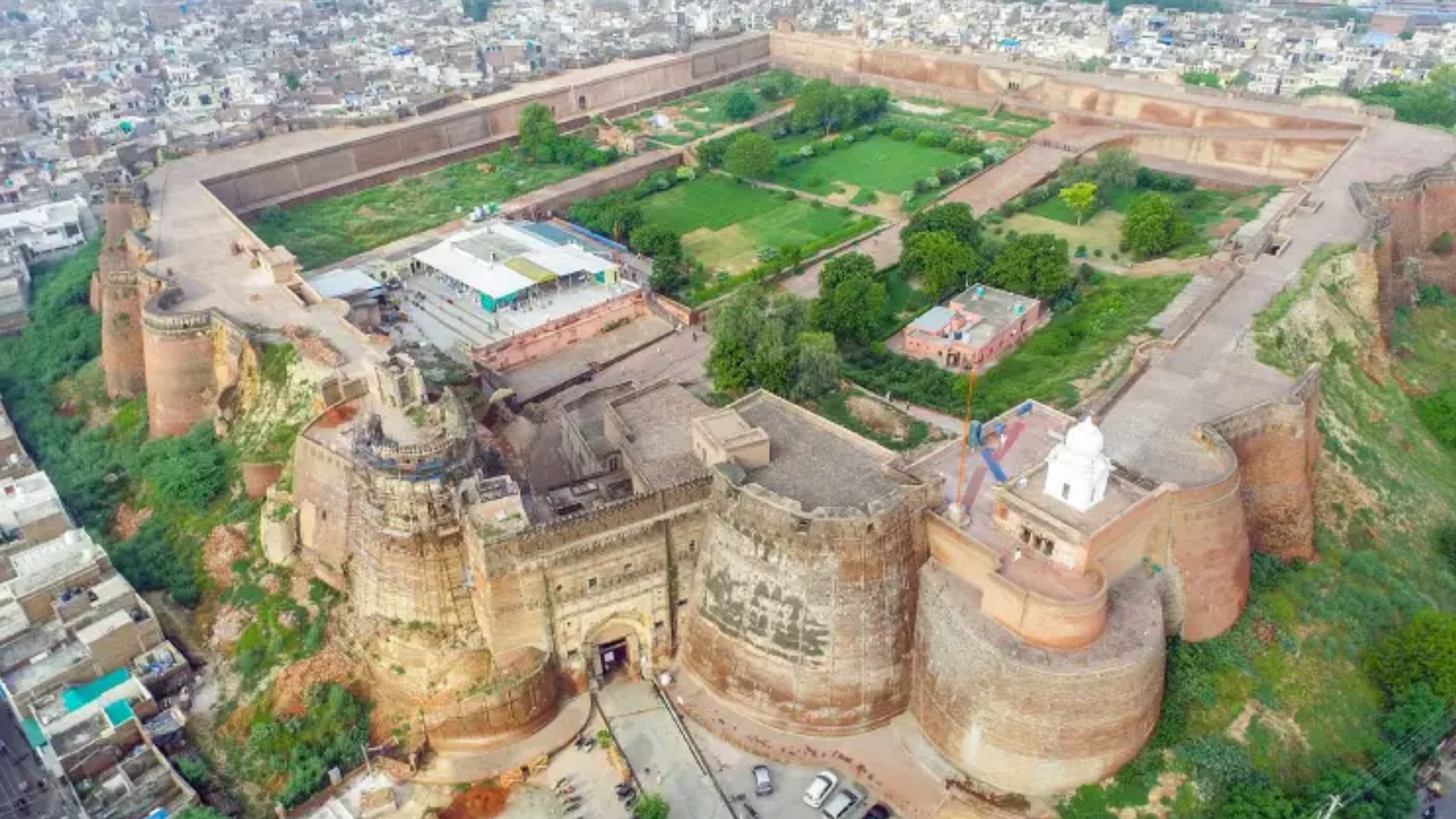
Qila Mubarak is among the oldest cities in Punjab, hence it is among the sites to visit when in Bathinda. The city is also made up of calm lakes, noise, and the conquest in the local bazaars, and the glimpses of rural Punjab life. Punjab, with excellent roads, nice people, and beautiful history, will provide you with an experience that you will never forget. In Bathinda, it all comes alive: history, religion, and local life.
6. Chandigarh
The rubbish yard contrasts with Chandigarh, the first planned city of India, full of allusions to the contemporary but still made with greenery. Sukhna Lake, Rock Garden, and Rose Garden dome. The city boasts of the various beautiful gardens that the CHB operates in various sectors. The cosmopolitan outlook of the city and the cafes and shopping complexes provide the city with a new appearance/feel compared to other Punjabi towns.
ALSO SEE – North India or South India – Where to Travel?

7. Anandpur Sahib
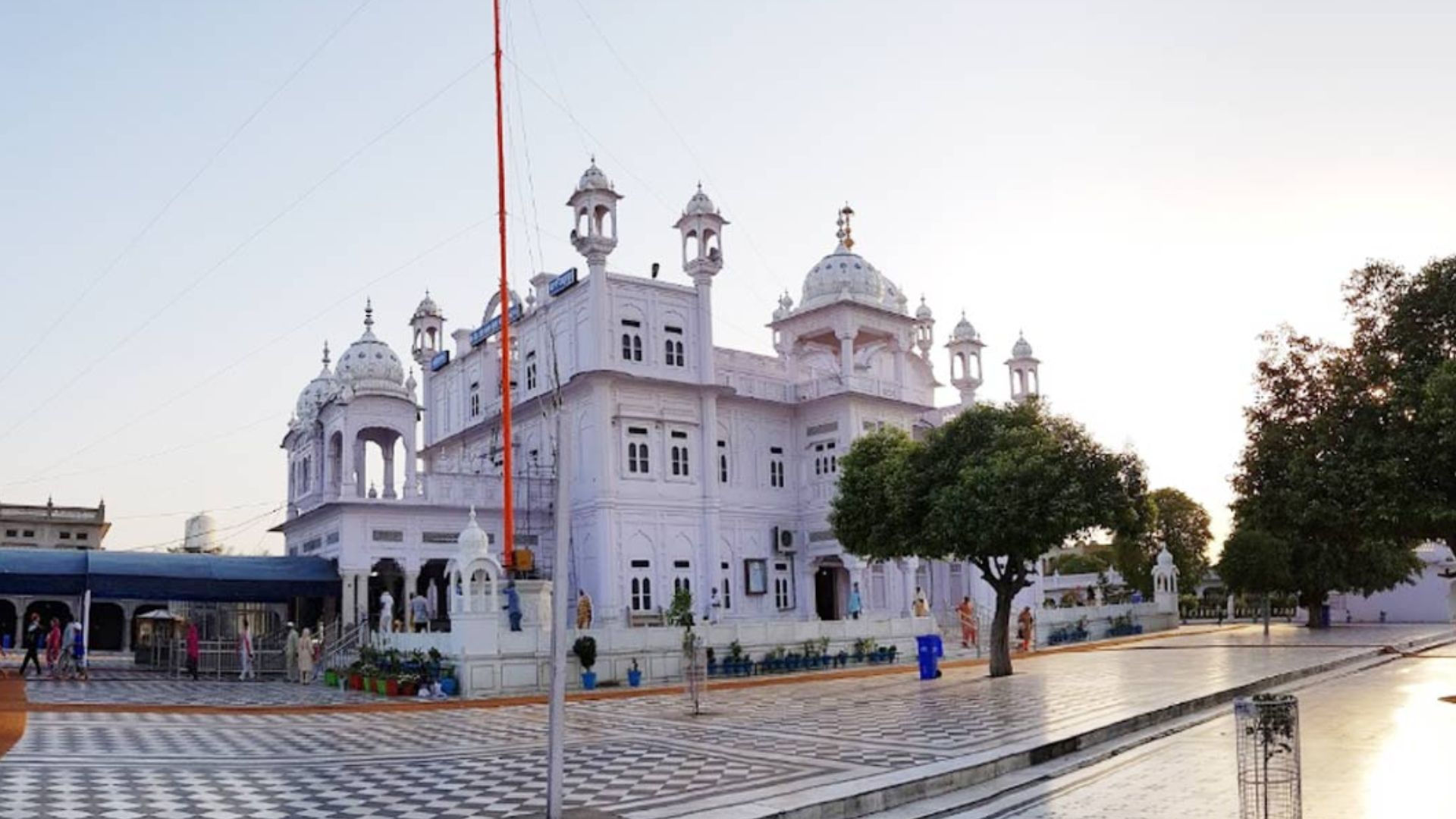
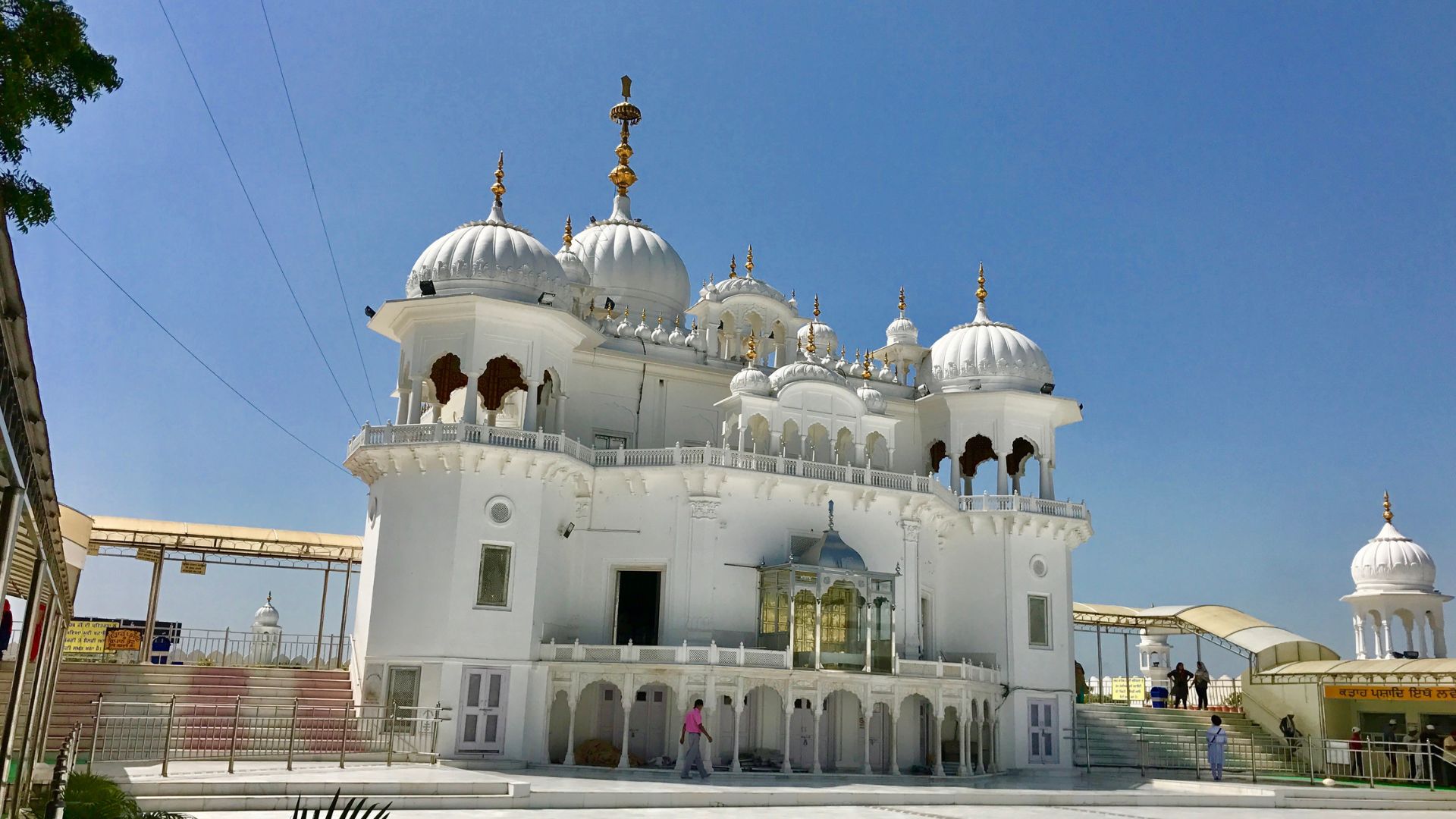
Anandpur Sahib is a religious town and considered to be the most religious destination within the Sikh religion. The whole world also recognises Anandpur Sahib, where Khalsa (the place where Khalsa was born) originated. The Takht Sri Keshgarh Sahib Gurudwara is attended by both tourists and disciples. Anandpur Sahib is a religious place that also acts as a spiritual rest point for people who are seeking spirituality.
8. Pathankot
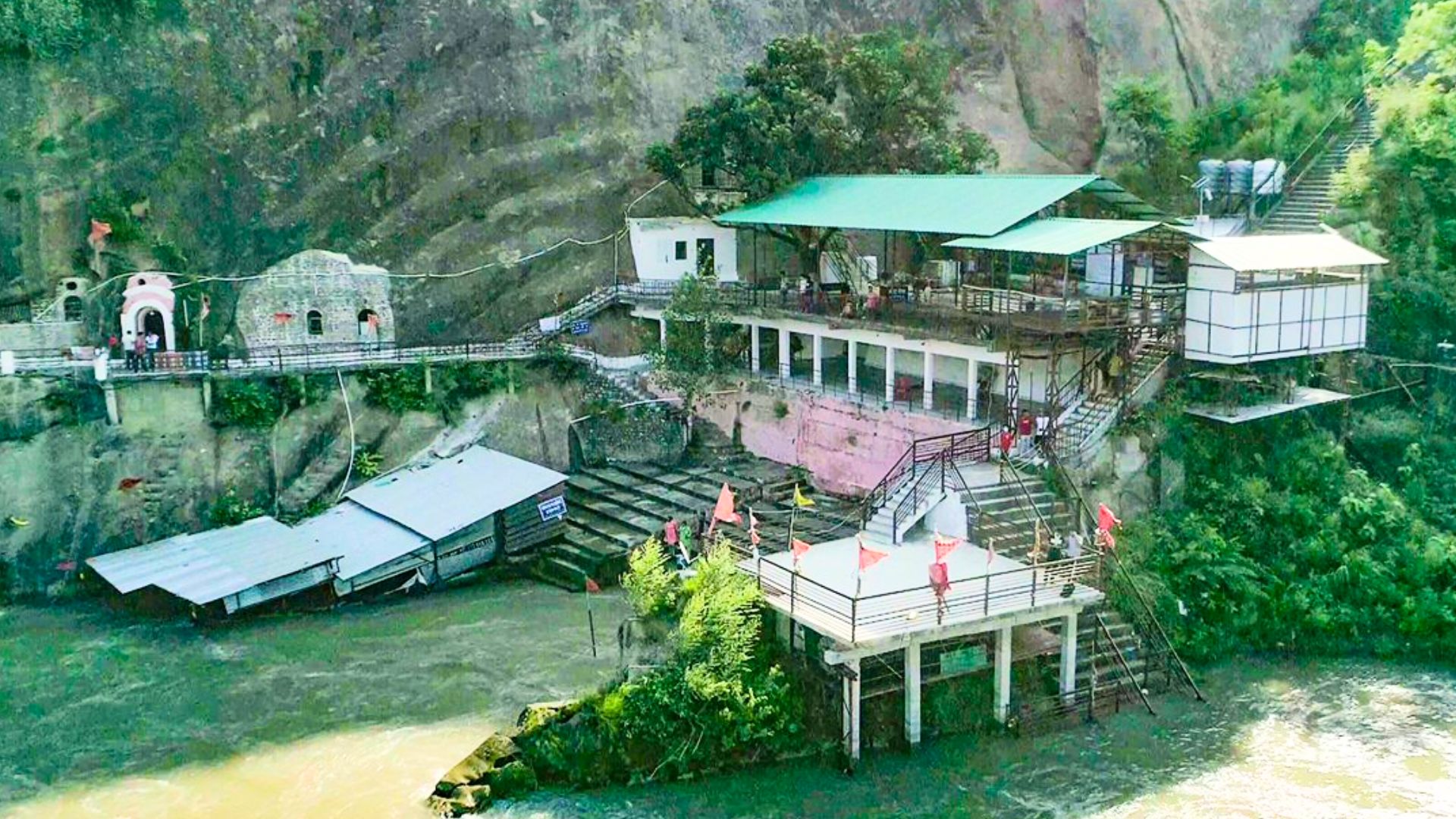
The gateway to the Himalayas. Pathankot is the ideal location to base to make sightseeing of Dalhousie and Dharamshala, which are close to the town. It is particularly nice for trekkers and for those who admire nature and who enjoy the panoramic sight of northern Punjab.
Whether it be a farm stay or sightseeing in the city, tourism in Punjab has something to offer to each and every human soul, spirituality, food to the heart, and culture to the senses.
Best Time to visit Punjab
Peak season is June to October, although the months between October and March are the nicest ones. The best season is winter (November-February), when it is suitable to city-hop and dine out on Punjabi. There is also Vaisakhi, the greatest festival, in the spring, and during the monsoon (July-September), the fields are all green, and the party fields can hold up transport.
Travel Tips:
- Observe the cultural tradition and wear your head covering in Gurudwaras.
- Wearing hats, morning and evening cool in winter.
- Visit the dhabas to have the local food and local flavour.
- When it is a large festival, it is best to reserve a place to stay.
- Blend with the locals. Punjabis like to exchange anecdotes and jokes.
Punjab’s excellent roads, nice people, and beautiful history will provide you with an experience that you will never forget.
Why you should visit Punjab?
1. Rich Cultural Heritage
Punjab has such a vast history of invasion and dynastical succession as expressed in the society. Punjab is a name derived from two Persian terms, namely Panj (five) and Aab (water), referring to people who worship five waters or rivers. In all languages, a different positive meaning. It is one of the oldest regions in the Indian subcontinent and has a rich history, which traces back to the civilisation of the Indus Valley, where it was named and where it also picked up its culture.
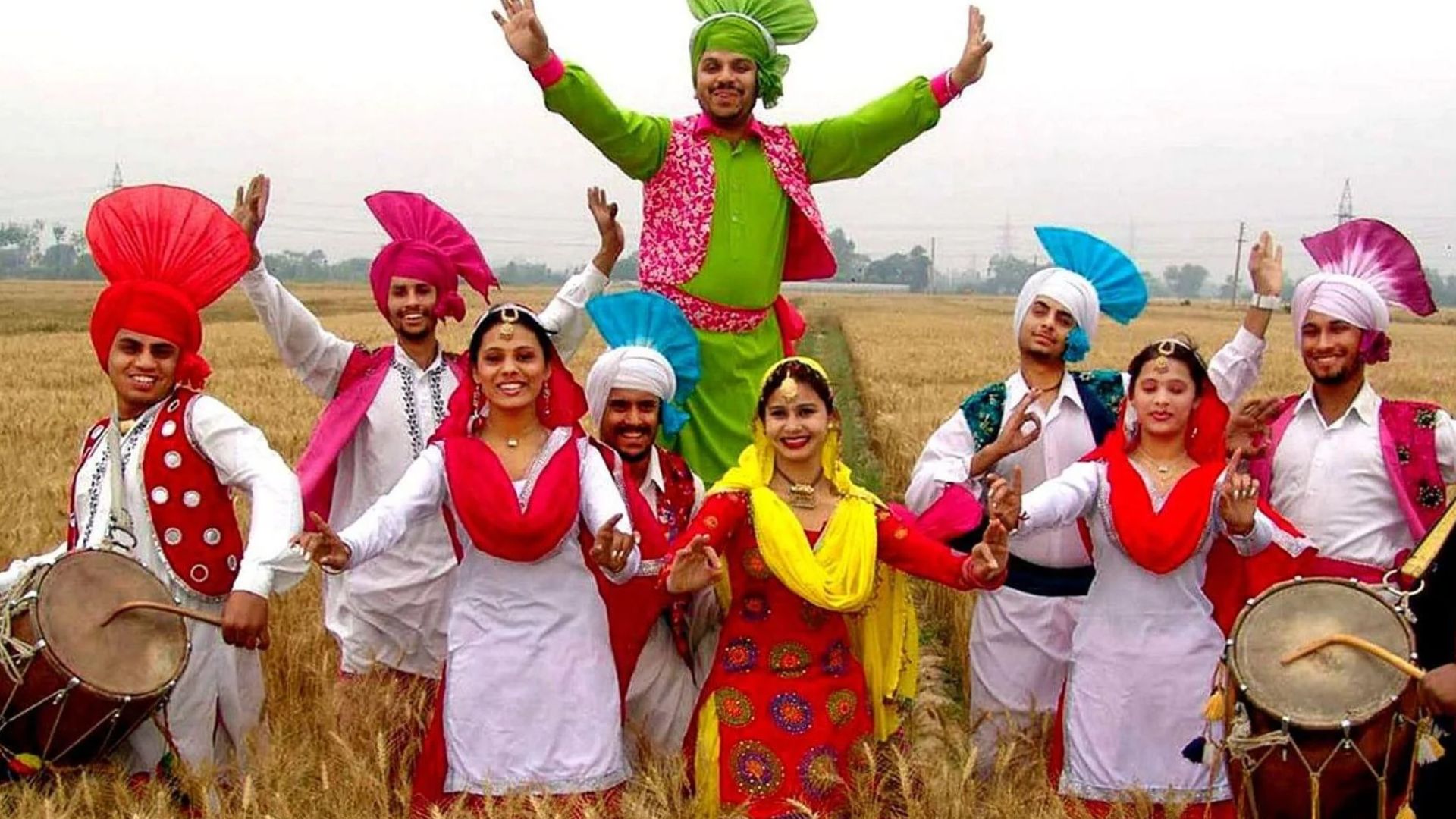
The whole of Punjab, with its vibrant festivals and music, hand weaving, and village-like community lifestyle, is a tribute to this tradition. However, the soul of the state is its nation and its hope, its feeling of belongingness, and its ability to turn even the smallest of moments into something that should be celebrated. Such great cultural pride is what attracts historians and visitors even nowadays.
2. Glorious History and Liberty Wars
Punjab’s history is a history of sacrifice and valour. In this case, the great emperor, the Maharaja Ranjit Singh, the Lion of Punjab, had founded one of the most prosperous and secularly governed empires in India. The model to be employed will be his already existing legacy of togetherness and leadership.
Punjab is also the state where the Indian independence movement took place. Likewise, the revolting actions have been aroused by the abhorrent Jallianwalla Bagh massacre in 1919, which shocked and infuriated the country and has been the source of the revolting actions. They were the embodiment of bravery and self-sacrifice, and such heroes could be found in Punjab: Bhagat Singh, Udham Singh, and Lala Lajpat Rai.
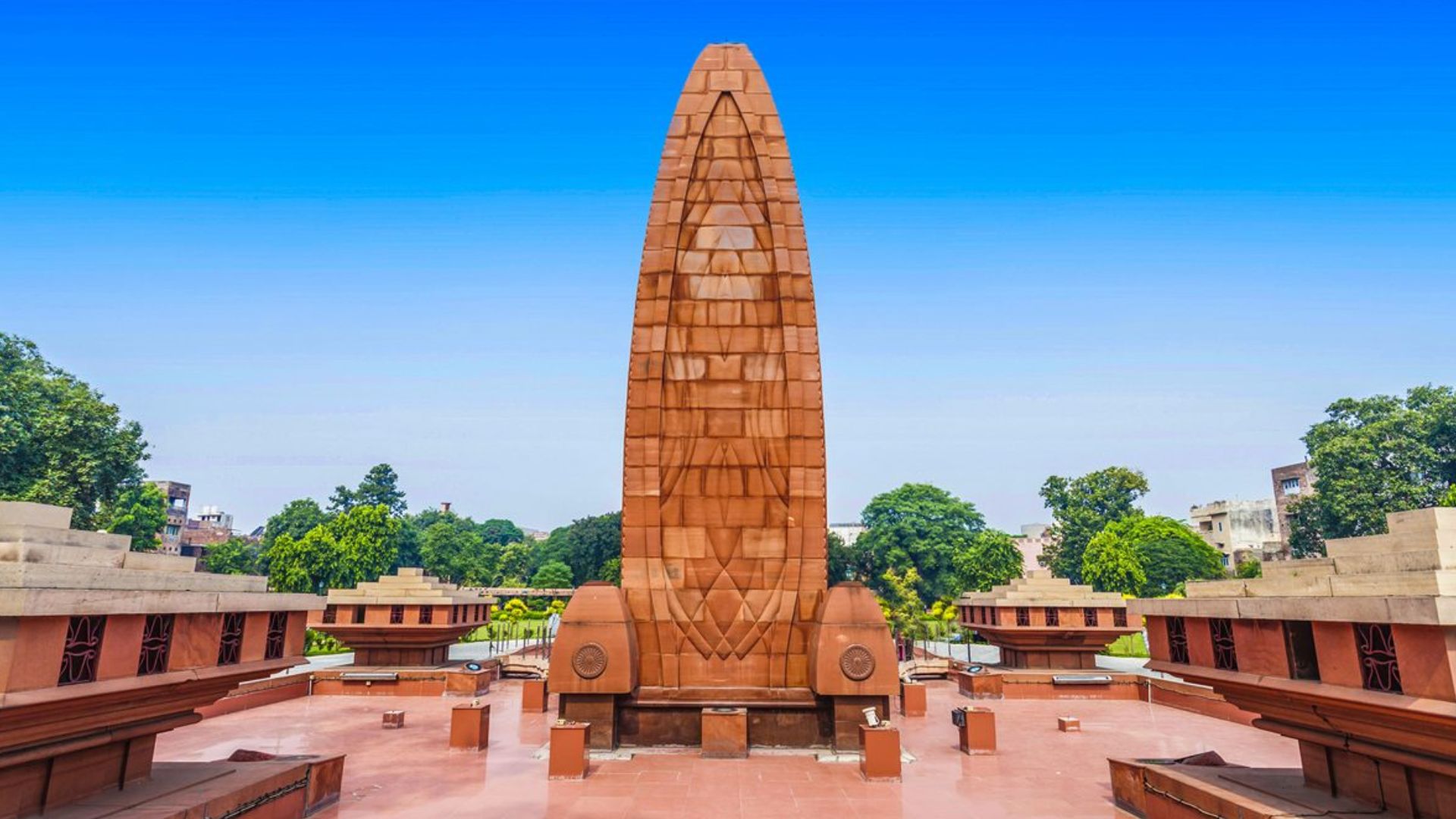
These treasures are forts, museums, and memorials that are alive just to narrate the story of the grandiose era in the history of heroic Punjab that gave birth to heroic freedom fighters who lost their lives just to witness India obtain independence.
3. Punjabi Fetes and Feasts
They are colourful, musical, and traditional festivals in Punjab. The biggest is Vaisakhi in April, which is a festival of harvesting and glorifying the birth of Khalsa by Guru Gobind Singh Ji. The villages were colourful due to the performance of bhangra, fairs, and feasts. In January, families gather around bonfires, sing folk songs, toss sweets in the fire, and embrace more days on Lohri. Devotion is introduced through Gurpurabs, which are the birthdays of Sikh Gurus, because Gurudwaras are crowded with lit diyas and keertan.
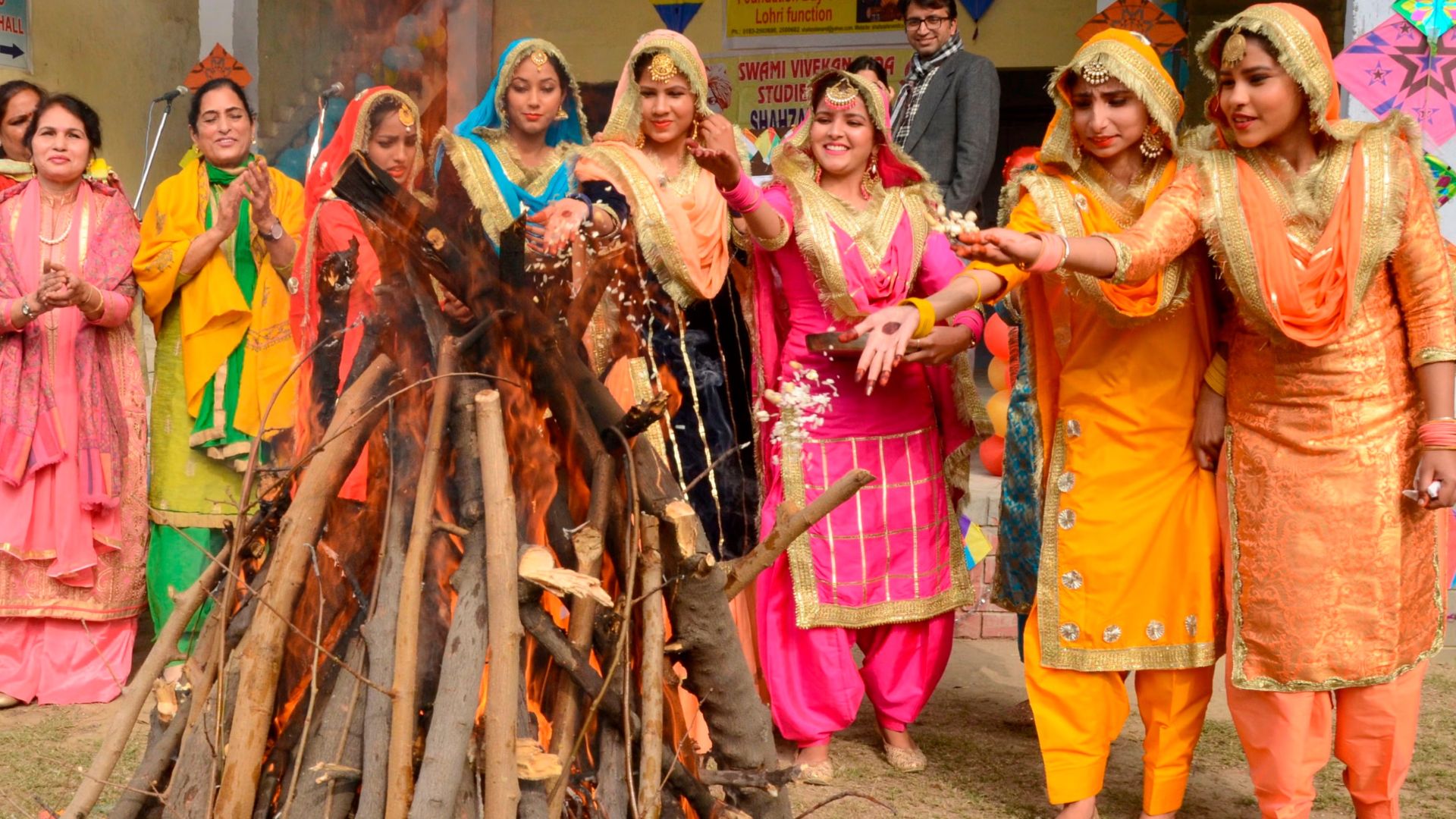
Hola Mohalla at Anandpur Sahib has been a combination of martial arts and spiritual congregations, whereas Teej is an event to celebrate womanhood by swinging, applying henna, and singing. All festivals in Punjab are colourful manifestations and rejoicings which reflect the decisive connection of the community.
4. Punjabi Food
The Punjabi cuisine is Indian household food that is nutritious, robust, and plush. There are love and homesickness stories connected to every meal. The mythical winter comforter, Sarson da Saag and Makki di Roti, and a vast portion of white butter.

It is a feast to the non-vegetarians either in Punjab, with the smoky Tandoori Chicken, the nutritious Butter Chicken, or the lavish Amritsari Fish. Other snacks that one will find in the state are Chole Bhature, Aloo Kulcha, and thirst-quencher Lassi, which is a sweet milk drink that is prepared using thick yoghurt. This is, perhaps, precisely what renders the Punjabi cuisine so distinguished: it has to be authentic, and it has to make use of simple food, which is that they both cook it slowly and tenderly. Communal kitchens (Langars) of the Gurudwara community are based on the Sikh concept of equality and serve up to 10,000 people a day each.
5. Music and Dance Traditions
The soul of Punjab is music. Seasoned with the Bhangra and Jhanjhar movements, it is the heart of the community that beats to the Punjabi music. Banging sounds of Dhol, the twang of Tumbi, and the beat of Chimta will make your mood high any day. Traditional folk dances such as Bhangra by men and Giddha by women portray an attitude of vitality, happiness, and culture.
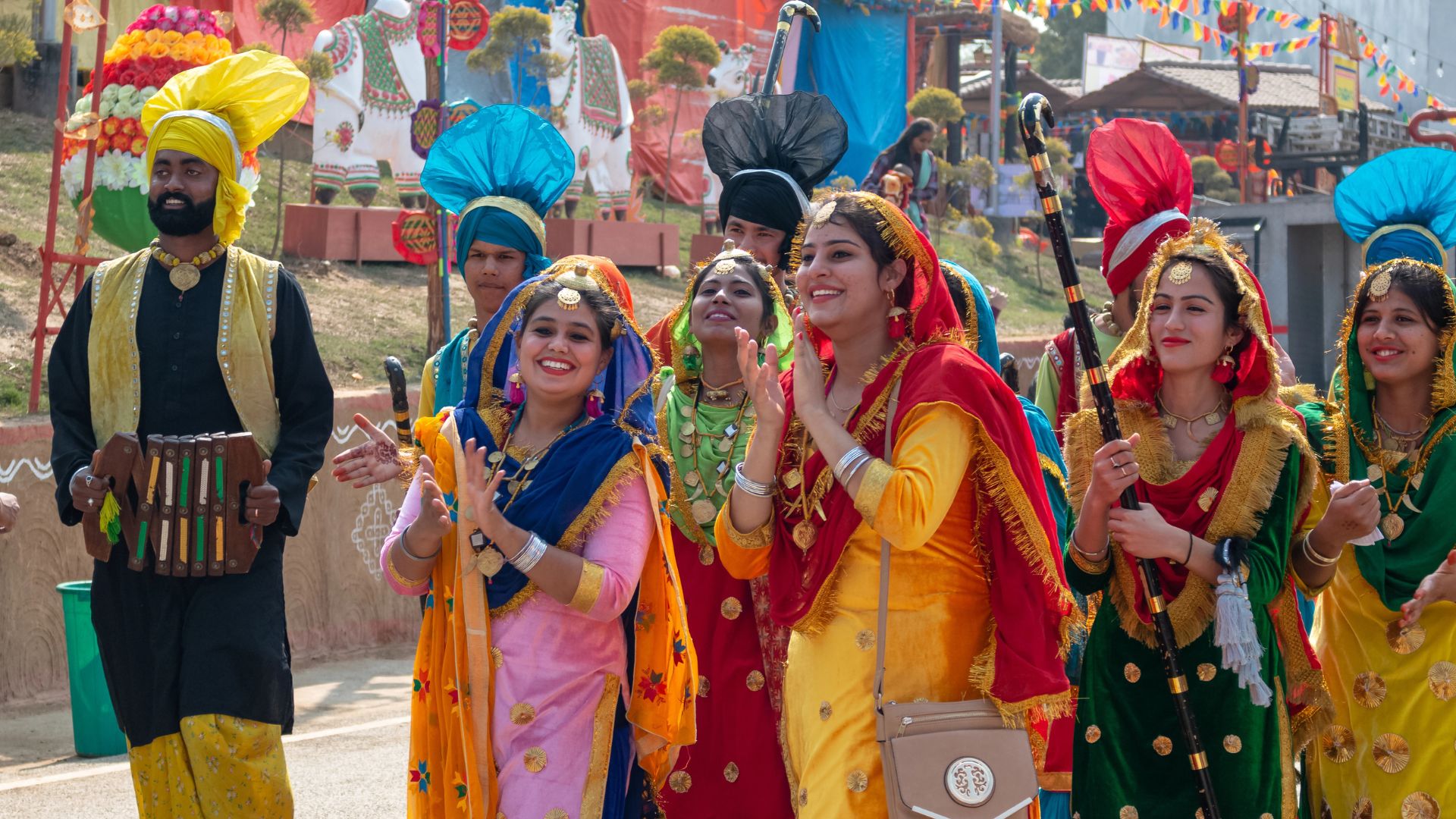
The folk songs of Punjab (or Boliyaan) have all the tales of love, of harvest, and of bravery with the background of dholak playing. Punjabi music has, over time, transcended its geographical boundaries, fused with global pop, and made an impression on the international front; Gurdas Maan (performer), Diljit Dosanjh, and Sidhu Moosewala have introduced Punjabi beats to it. The music in Punjab is not merely entertainment; it is emotion. It unites families and uplifts spirits, and helps keep the state alive.
6. Architecture and Heritage Monuments Development
It is the mixture of devotion, royalty, and the new with ambitions as tall as towers. The Golden Temple of Amritsar (Harmandir Sahib) is the crown of it all, the dome of which is gilded with gold, and the pool of water is synonymous with cleanness and serenity.
Qila Mubarak and Sheesh Mahal in Patiala and Gobindgarh Fort remind us of royalty and military power. Moorish Mosque, in Kapurthala, and Jagatjit Palace are architectural marvels with Indo-European style, which saw the city get the name of the city of Paris in Punjab.
Chandigarh is the veneer of the modern Punjab; it is the first city in India to have been planned, and it is unbelievably futuristic in its architecture, which was designed by Le Corbusier. The aim of the architect to design Chandigarh as a living piece of art was created in The Design and OpenHandd Monument and Capitol Complex on a floor area surface over 900 m², displaying all these designs through current multimedia and digital technologies based on a large-scale 1:2000 model on the whole city level. It is laid like a sumptuous fair, which compares the dream dreams of architecture and reality.
7. Handicrafts and Art Forms
The heritage arts of Punjab are the pride of the state’s art industry. The most famous is Phulkari, named after the course’s name, “flower work”, a very complex technique of embroidery on shawls and dupattas using bright silk threads. It is an art that, through hundreds of years, has also turned a word of synonymity with joy and rejoicing.
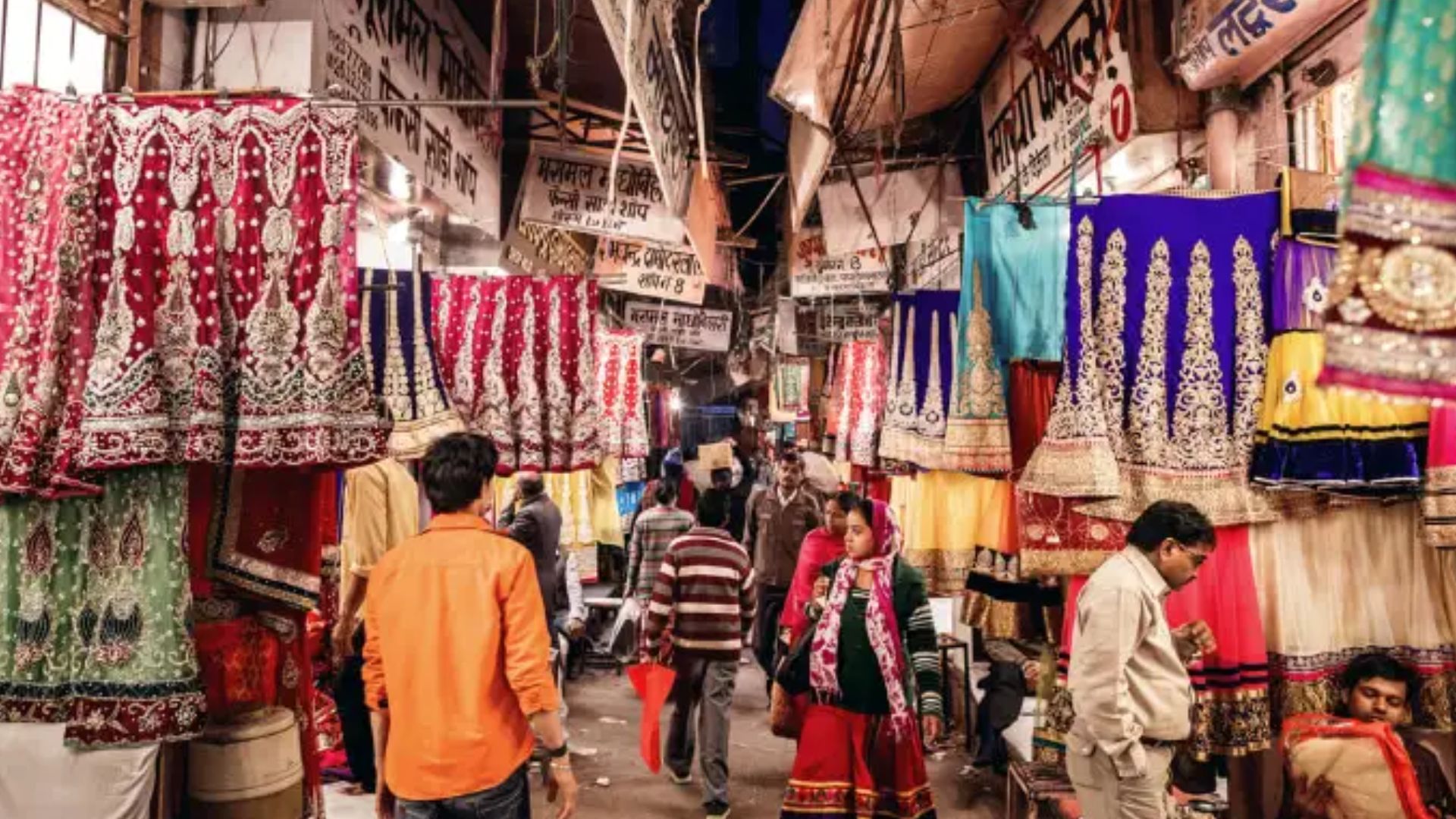
The Punjabi jutti is also referred to as a khussa; these are colourful embroidered leather shoes decorated using beads and zari in a beautiful manner. Fine woodwork, basketwork and metalwork of ornamental use in country houses are produced by cottage industries. The decorative painted folk motifs on the walls of huts in villages are also present, and in the absence of the handmade decorations, no festival is complete. Punjab craft is no dust on the mantelpiece; it is a narrative of rich creative history that has been transmitted across generations.
8. Sikhism and spiritual legacy
Sikhism is one of the new religions in the world that originated in Punjab and was founded in the 15th century by Guru Nanak Dev Ji. It has doctrines founded on equality, humility, and service.
The Golden Temple is the religious center of the city, and it is open to everyone without regard to his or her religion. Other pilgrimage sites of historical value include Anandpur Sahib and Fatehgarh Sahib as well as Tanda Sahib, among other holy places of pilgrimage.
The act of sharing a meal with no one minding their status, religion, or background is an epitome of the Sikhism ideology of unity in Langar. Thus, the pilgrimage to the Gurudwaras in Punjab is not a mere spiritual, yet emotional, one, a search of calmness and quiet.
9. Agricultural prosperity and reappraisal of the green
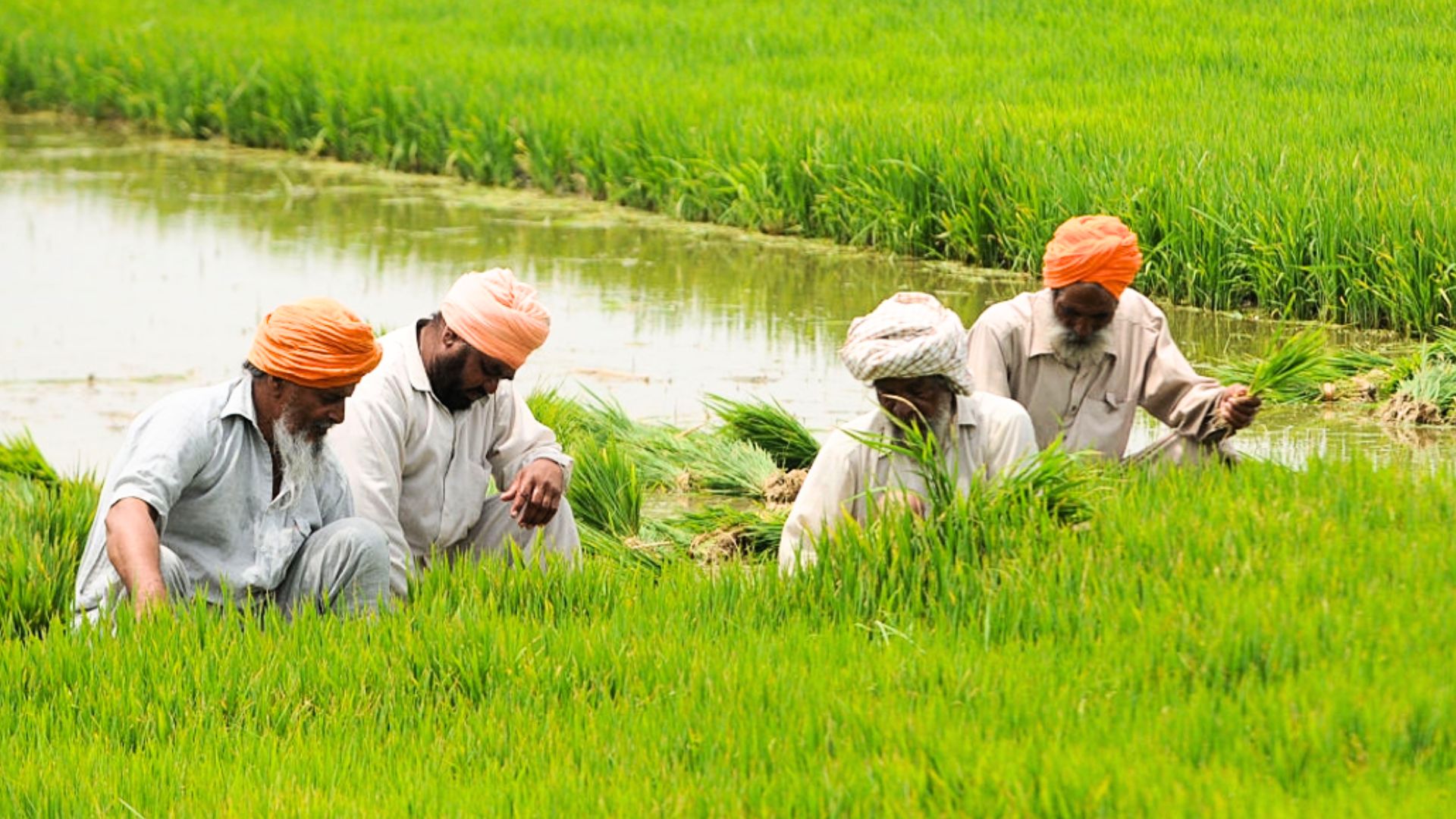
Punjab has been referred to as the Breadbasket of India or India’s Granary. It is a very fertile state; its plains are fertile, fed by the five rivers, with more wheat and rice than any other state in India.
In the 1960s, modern farming methods got their way into Indian agriculture with the Green Revolution that started in Punjab. Strips of golden waves, wheat fields waving with the wind, are also a trademark image of the state.
Agriculture is both a vocation and a culture, and a practice. The Pun Julian villages are full of music, fairs, and dances to commemorate the harvests; they are crowded with attachment to the land.
10. Punjabi Hospitality and Lifestyle
All Punjabis are large-hearted and full of energy. This is where the full-blooded meaning of the phrase “the guest is God” is exercised. They do it with all their heart and beyond, as long as it comes to cooking good food and getting strangers over to have some chai.
Punjab life is all about living life fully – early morning agricultural labour, evenings full of songs, food, and laughter. The people are industrial, industrious and cheerful, and they will never miss an opportunity to praise the happenings in life.
In big cities or small towns, strangers are viewed as family members and friends. This incomparable hospitality is another plume in the hat of Punjab.
Conclusion
Punjab is not just a state; it is a sentiment. It is the laugh of the fields, the fragrance of butter-laden roti, the beating of the Dhol in a festivity, and the serenity that never goes away but gets in the morning sunshine of the Golden Temple.
With its glorious past, rich in an interesting present, the fertile Punjab can offer everything to everyone. Should you be a history dweeb, an aptisodomite, a devout pilgrim, or simply a traveller who has to satisfy the soul and culture that is worthy of placing the happy in the heart, Punjab should be a part of the list.